
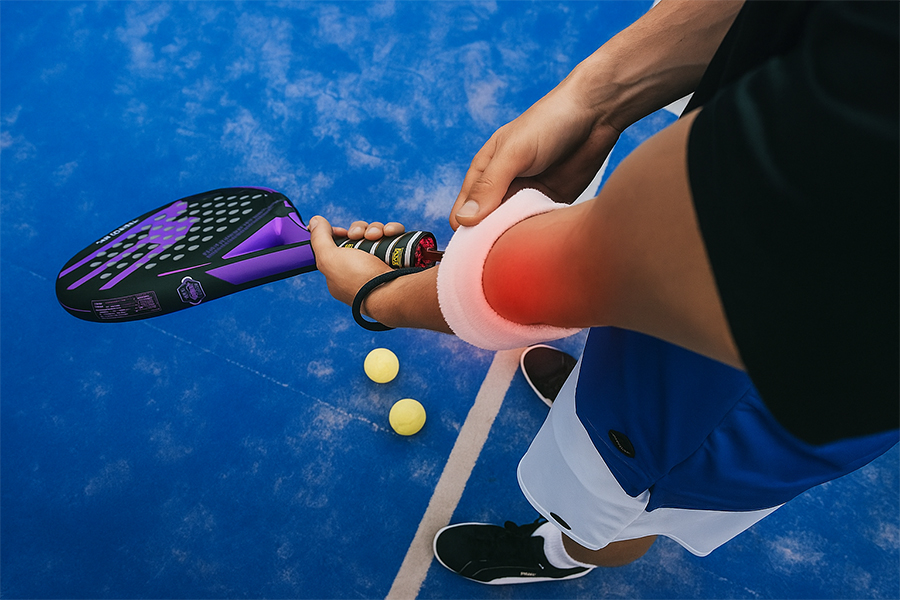
If your padel backhand is on fire but your elbow is screaming every time you swing, you’re not alone. “Tennis elbow” isn’t just for tennis players, padel, pickleball, and even long hours at a computer can all overload the tendons on the outside of your elbow.
In this guide, we’ll break down what tennis elbow is, why it hits padel players so often, and evidence-based ways to support recovery including how Nuri’s Wolverine Recovery Program (BPC-157 + TB-500) is designed to support healthy tendon and ligament repair after overuse injuries.
Important: This article is for educational purposes only and is not medical advice. Always work with a licensed clinician before starting any treatment or peptide program.
What Is Tennis Elbow (Lateral Epicondylitis)?
Tennis elbow, or lateral epicondylitis, is a painful condition where the tendons that attach to the outside of your elbow become irritated and overloaded. These tendons help you straighten your wrist and grip the racket. Over time, repeated strain creates tiny micro-tears in the tendon tissue.
Despite the “-itis” name, research shows it’s often more of a degenerative tendinopathy (gradual wear-and-tear of tendon fibers) than a classic inflammation-only problem.
Why Padel Players Face a Higher Risk of Tennis Elbow
Padel is fast, fun, and very wrist-heavy:
- Repeated backhand shots with the wrist extended
- Sudden changes in direction and off-center ball contact
- Playing many matches per week without enough recovery
All of these can overload the extensor tendons around the lateral epicondyle (the bony bump on the outside of your elbow), especially if your technique, racket weight, or grip size aren’t ideal.
Tennis Elbow Symptoms: What to Watch For
Common tennis elbow symptoms include:
- Pain or burning on the outside of the elbow, sometimes radiating down the forearm
- Pain when gripping the racket, shaking hands, or lifting objects (even a coffee mug)
- Tenderness when you press on the bony bump on the outside of the elbow
- Weak grip strength
- Symptoms that worsen during or after padel/tennis and improve with rest
If you notice progressive elbow pain that doesn’t improve after a few weeks of load reduction, it’s worth getting evaluated by a clinician.
What Causes Tennis Elbow?
Most cases are due to repetitive overuse of the wrist and forearm extensors. Common triggers include:
- Racket sports (padel, tennis, squash, pickleball)
- Manual work that involves gripping and twisting
- Computer work with poor ergonomics
- Sudden spikes in training volume or intensity
Over time, this creates:
- Micro-tears in tendon fibers
- Disorganized collagen (the protein “scaffolding” of the tendon)
- Local changes in blood flow and nerve sensitivity
The result: elbow pain disease that shows up during gripping, lifting, and playing padel.
How Long Does Tennis Elbow Last?
The honest answer: it depends.
- Many cases improve over 6–12 months with conservative care (load management + rehab exercises).
- Some people recover faster; others have chronic symptoms lasting longer than a year, especially if they continue high-load sports without altering technique or equipment.
Early, structured treatment can help shorten this timeline and reduce the chance that pain becomes long-term.
Evidence-Based First-Line Tennis Elbow Treatment
Here’s what current clinical guidelines and reviews recommend as core strategies for tennis elbow treatment:
- Relative rest & load management
- Temporarily reduce painful activities (like heavy backhands or serves).
- Avoid complete immobilization; gentle, pain-tolerable movement is better for long-term tendon health.
- Ergonomic and technique changes
- Work with a coach to refine padel technique.
- Check racket grip size, string tension, and weight, small tweaks can reduce strain on the elbow.
- Targeted rehab exercises
- Eccentric and slow, heavy resistance exercises for the wrist extensors are commonly used to improve tendon strength and collagen organization.
- A physical therapist can build a plan of tennis elbow exercises tailored to your pain level and sport.
- Bracing and taping
- Forearm straps or kinesiology tape can temporarily redistribute load away from the most irritated tendon fibers.
- Short-term pain relief
- NSAIDs or topical anti-inflammatories may be used short-term under clinician guidance.
- Corticosteroid injections can reduce pain quickly, but evidence suggests they may not improve long-term outcomes and can sometimes worsen recurrence.
- Advanced options
- Shockwave therapy, platelet-rich plasma, or surgery are reserved for stubborn, long-standing cases and should be discussed with a specialist.
These approaches remain the foundation of how to treat tennis elbow.
Where Peptides May Fit In, Supporting Soft Tissue Recovery
Many active people, especially those who love padel or other racket sports, are looking for ways to support tendon and ligament recovery beyond traditional rehab. That’s where regenerative peptides such as BPC-157 and TB-500 come into the conversation.
Quick definitions:
- Peptides are short chains of amino acids (the building blocks of proteins) that can act like tiny “signals” in the body.
- BPC-157 is a synthetic version of a stomach-derived peptide being studied for its potential to support tissue repair and protect cells under stress.
- TB-500 (Thymosin beta-4 fragment) is a lab-made peptide modeled after a natural protein involved in cell movement, angiogenesis (new blood vessel growth), and tissue repair.
What the research says (and doesn’t say yet)
BPC-157
- Animal and cell studies show BPC-157 can speed tendon healing, improve tendon fiber organization, and support tendon cell survival under oxidative stress.
- Preclinical safety studies in multiple animal species suggest a favorable toxicity profile at researched doses, though true human safety still needs rigorous long-term trials.
TB-500 / Thymosin beta-4 derivatives
- Preclinical research indicates thymosin beta-4 can enhance wound healing, increase collagen deposition, and stimulate new blood vessel formation.
- These properties make it a candidate for supporting soft tissue repair, but again, large human tendon-specific trials are limited.
Important:
Most of the data for BPC-157 and TB-500 comes from animal and early-stage studies, not large, long-term randomized human trials. Some regulators and sports bodies warn that these peptides are unapproved for general therapeutic use and are banned for competitive athletes under anti-doping rules.
The Wolverine Recovery Program at Nuri
At Nuri, the Wolverine Recovery Program is designed to support healthy tendon and ligament recovery, particularly after overuse or strain, like what many people experience in the elbow, shoulder, or knee.
Program overview
- Peptides:
- BPC-157 – researched for its potential to support tendon and soft tissue repair
- TB-500 – a thymosin beta-4–derived peptide studied for angiogenesis and tissue regeneration.
- Key potential actions (based on preclinical research):
- May promote blood flow (angiogenesis) around injured tissue
- May help manage inflammation that can slow recovery
- Provides amino acid building blocks linked to collagen and actin, key structural proteins in tendons and ligaments
- Program length: Typically 12 weeks
- Format: Subcutaneous (Sub-Q) injections, usually 3x per week, with dosing and schedule guided by a Nuri clinician
- Oversight: Nuri’s at-home peptide protocols are reviewed by an independent Institutional Review Board (IRB) and developed by a medical team to align with the highest safety and ethical standards.
In simple terms, the Wolverine Program is not a cure for tennis elbow, but it is designed to support the body’s own soft-tissue repair processes alongside:
- Proper diagnosis
- A tailored rehab exercise program
- Smart training and recovery habits
To dive deeper into the science behind one of these peptides, you can read Nuri’s in-depth article on research on BPC-157 and its potential roles in supporting recovery from injuries and our BPC-157 + TB-500 protocol and study details.
Smart Recovery Habits for Padel Players with Tennis Elbow
Even the best peptide or rehab program can’t replace smart training. If you’re dealing with elbow pain from padel:
- Scale back, don’t stop everything
Reduce match frequency or intensity, especially backhands and high-load shots, while maintaining light, pain-tolerable movement. - Check your equipment
- Use a grip size that fits your hand
- Consider slightly lower string tension
- Discuss racket options with a coach or gear expert
- Warm up and cool down intentionally
Include forearm stretches, light band work, and gradual build-up before powerful swings. - Prioritize strength
Work on forearm, shoulder, and scapular (shoulder blade) strength—these help distribute load away from the elbow. - Sleep, stress, and nutrition
Tendon recovery is slower when sleep is poor and stress is high; adequate protein and overall nutrition matter too.
When to See a Clinician
You should seek a professional evaluation if:
- Elbow pain has lasted longer than 6–8 weeks despite rest and self-care
- Pain severely limits your ability to play, work, or perform daily tasks
- You have night pain, weakness, or difficulty gripping objects
- You’re considering advanced therapies (injections, regenerative treatments, or peptides)
A clinician can confirm that it’s truly lateral epicondylitis and not another condition (like nerve entrapment or arthritis), then help build a comprehensive plan.
FAQ: Tennis Elbow, Padel, and Peptide-Supported Recovery
1. What is tennis elbow, exactly?
Tennis elbow (lateral epicondylitis) is an overuse tendinopathy of the forearm extensor tendons that attach to the outside of your elbow. Repetitive gripping and wrist extension, like in padel, cause micro-damage that leads to pain and weakness.
2. What are the main tennis elbow symptoms?
Typical symptoms include:
- Pain on the outside of the elbow
- Pain when gripping or lifting objects
- Tenderness over the lateral epicondyle
- Reduced grip strength and discomfort during padel, tennis, or similar sports
-
3. How long does tennis elbow last?
Many people improve within 6–12 months with proper load management and rehab, but recovery can be slower if you keep overloading the elbow or skip targeted strengthening. Some cases become chronic without structured care.
4. What are the best tennis elbow exercises?
Evidence supports eccentric and slow, heavy resistance exercises for the wrist extensors, plus shoulder and scapular strengthening. A physical therapist can show you how to progress these safely without flaring your pain.
5. How do you treat tennis elbow from padel?
Conservative treatment usually includes:
- Reducing painful play volume
- Technique and equipment adjustments
- Rehab exercises for the forearm and shoulder
- Temporary bracing or taping
- Short-term pain management under clinician guidance
If symptoms persist, your clinician may discuss advanced options, which can include regenerative approaches.
6. Can peptides like BPC-157 and TB-500 help tennis elbow?
Preclinical studies suggest BPC-157 and TB-500 may support tendon healing, angiogenesis, and soft tissue repair, but robust human data is still limited.
At Nuri, the Wolverine Recovery Program uses these peptides under clinician supervision and IRB-reviewed protocols to support healthy tendon and ligament recovery as part of a broader rehab plan. These peptides are not FDA-approved and are not guaranteed to treat or cure tennis elbow.
7. Are BPC-157 and TB-500 safe and legal?
- They are not FDA-approved drugs for treating tendon injuries.
- Preclinical safety data for BPC-157 are encouraging, but comprehensive human long-term safety studies are lacking.
- Some sports organizations, including WADA, classify BPC-157 as a prohibited substance for competitive athletes.
That’s why Nuri uses these peptides only within a clinician-directed, IRB-reviewed framework. Always discuss risks, benefits, and alternatives with your clinician.
8. Who is the Wolverine Recovery Program ideal for?
The program is designed for adults who:
- Are dealing with joint, tendon, or ligament issues related to overuse or prior injury
- Want a structured, clinician-supervised peptide protocol to support recovery
- Are willing to pair peptides with rehab, training modifications, and lifestyle changes
It is not a substitute for diagnosis, surgery when clearly indicated, or emergency medical care.
Required disclaimer:
Consult a licensed clinician before beginning any peptide or recovery program. BPC-157 and TB-500 are not FDA-approved; results vary and long-term safety data in humans are limited.
References
- Buchanan BK, Varacallo M. Lateral Epicondylitis (Tennis Elbow). StatPearls. 2023.
- Ma KL, et al. Management of Lateral Epicondylitis: A Narrative Literature Review. 2020.
- Lenoir H, et al. Management of lateral epicondylitis. 2019.
- Staresinic M, et al. Gastric pentadecapeptide BPC-157 accelerates healing of transected rat Achilles tendon. J Orthop Res. 2003.
- Chang CH, et al. The promoting effect of pentadecapeptide BPC-157 on tendon outgrowth and cell survival in rat tendons. J Appl Physiol. 2011.
- Malinda KM, et al. Thymosin beta-4 accelerates wound healing. J Invest Dermatol. 1999.
- Xu C, et al. Preclinical safety evaluation of body protective compound-157. Toxicol Appl Pharmacol. 2020.
- Vasireddi N, et al. Emerging Use of BPC-157 in Orthopaedic Sports Medicine. 2025.
Australian Sports Integrity & USADA resources on BPC-157 safety and regulatory status.